
One of my less obvious credentials: I hold a bachelor's degree in Art History. Considering I've spent my career as a brand strategist and qualitative researcher, this tends to surprise people..
And every February, it becomes my most useful credential. 🏈
Here's what I mean. As an art history student, my favorite exercise wasn't memorizing dates or artists, it was context.
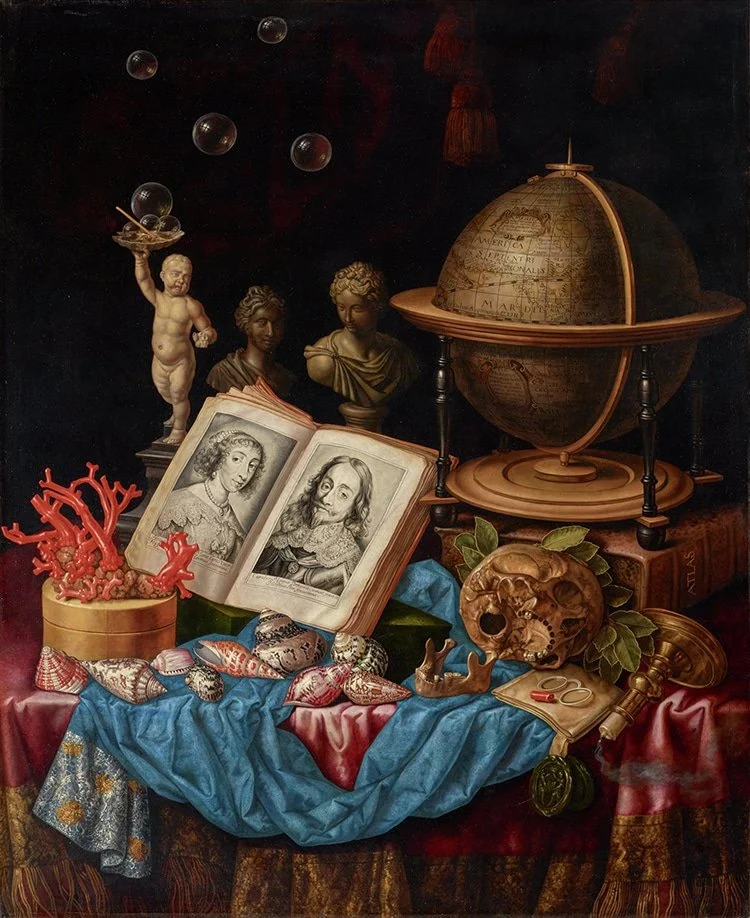
Why is everything rotting and decaying in Dutch Vanitas paintings?
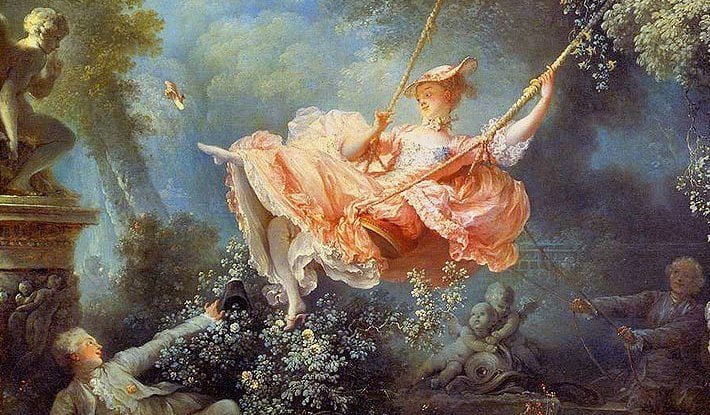
What's really going on in all those scandalous Rococo scenes?
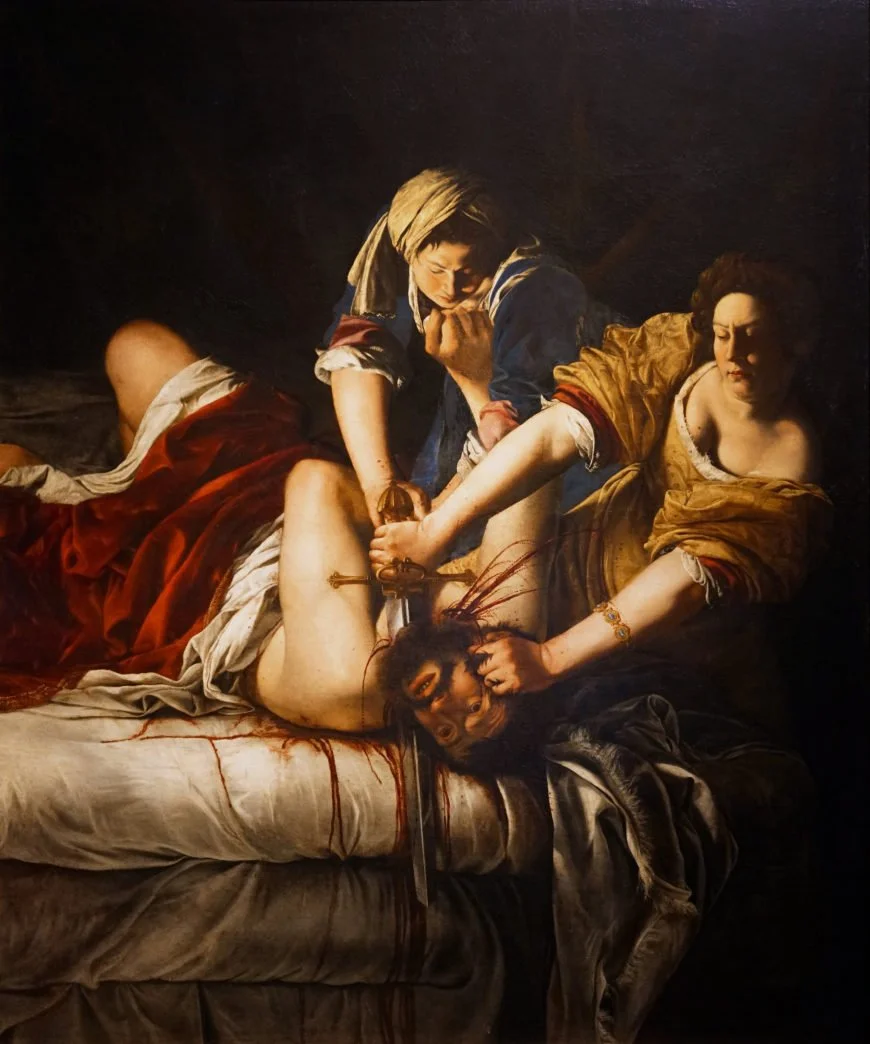
And how did Artemisia Gentilischi’s flip Baroque’s view of the feminine on its head?
The art was never just the painting. There were always layers underneath, waiting for someone curious enough to go looking. (It’s me. Hi. 🙋🏼♀️) As a marketer, I never stopped doing this… I just changed my medium.
This year's halftime show is a perfect example. On the surface: great music, incredible dancers, impressive set, a beautiful spectacle. It was all of those things. But Bad Bunny and his team weren't just performing songs, they were telling stories.
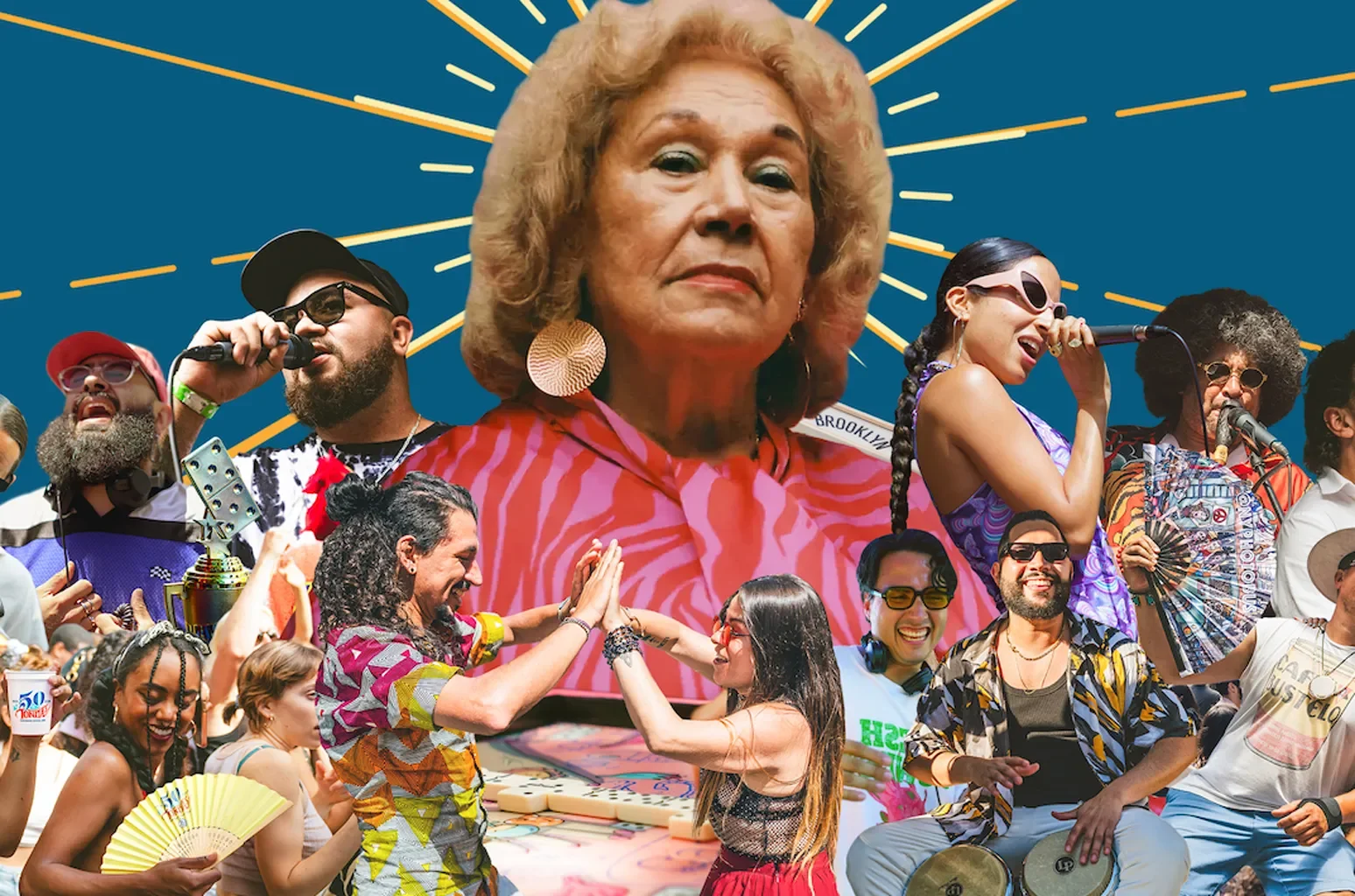
Singular, specific stories of the history, culture, and life in Puerto Rico, all woven into a larger statement within today’s tumultuous political climate. For Latinos, even this güera saw many elements that must have sparked a sense of pride, familiarity, and belonging. For Boricuas, even more so. The deeper your contextual knowledge, the richer your experience. And as an endlessly curious Art Historian, I immediately noted which elements I wanted to dig into first. (Hint: Toñita 💃, Ricky Martin’s powerful version of “Lo Que Le Pasó a Hawaii”💔, and Maria’s ongoing impact⚡ )
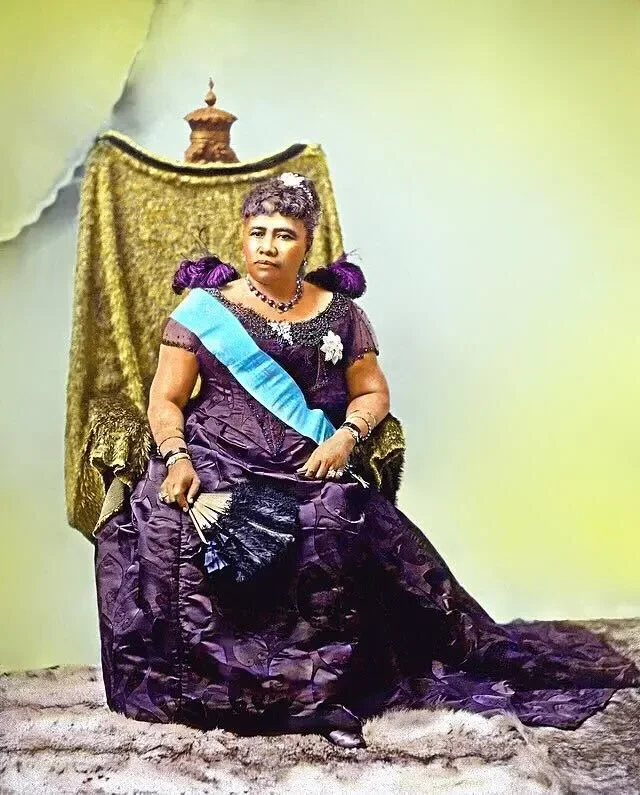
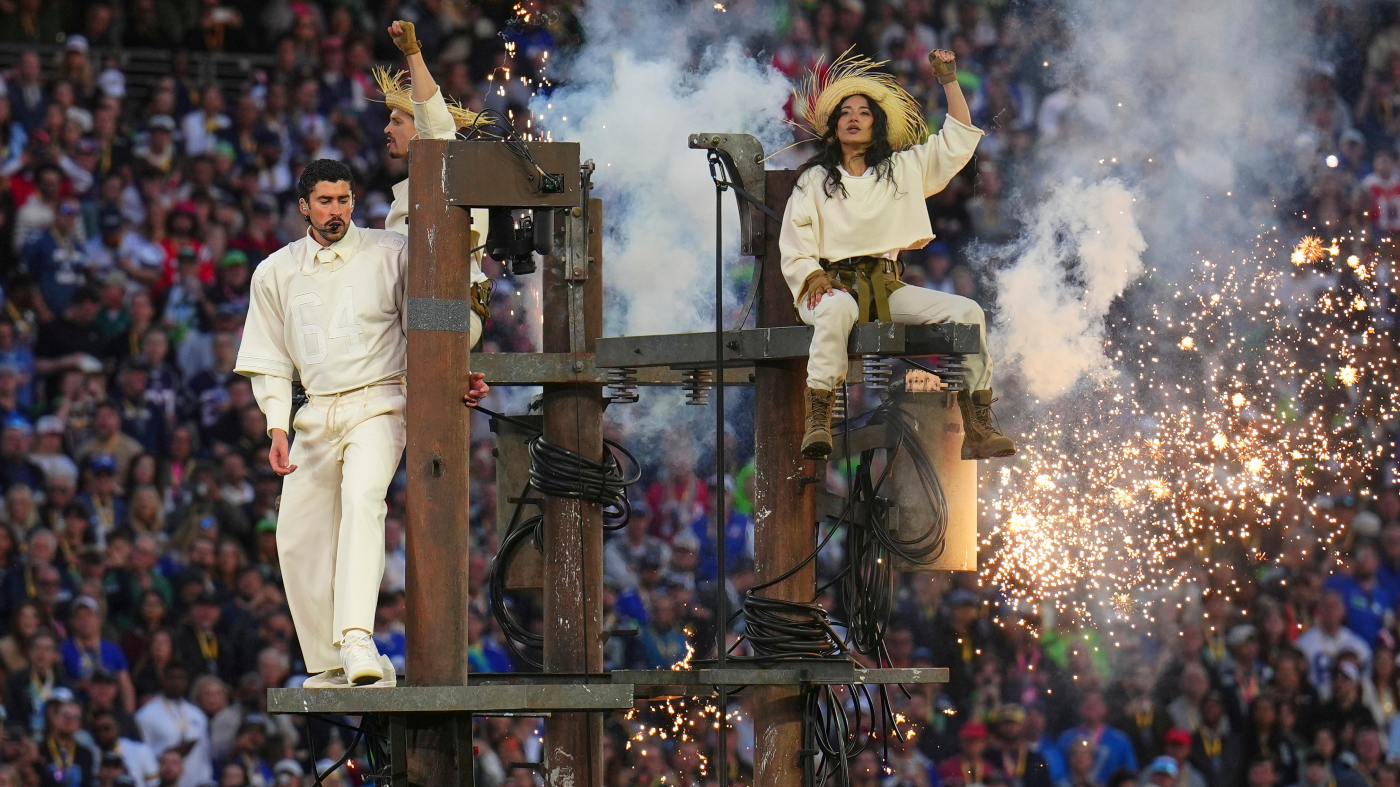
Of course, we must also acknowledge how Kendrick and team delivered a similarly complex social critique at last year's show. (Along with personal provocations; “A-minorrrrrr”) In both shows, the layering is intentional. The invitation to dig deeper is part of the art.
What This Means for Brand Storytelling
This is not just an observation about pop culture. It's a model for how the most effective brand stories work.
The brands and campaigns that endure aren't just visually arresting or cleverly written, they operate on multiple levels simultaneously. There's the surface experience: the ad you see, the product you hold, the social post you scroll past.
And then there's the layer underneath: the values embedded in the choices, the cultural references woven into the creative, the deeper story about who this brand is and what it stands for.
When done well, the surface is enough to create a positive impression. But the depth is what creates loyalty. It's what gives your most engaged customers something to find, to feel seen by, to share with others. It's the difference between a brand that people use and a brand that people belong to.
Consider the brands who do this well; the ones who build products, campaigns, and experiences with enough intentional depth that their most devoted customers feel like insiders. That sense of "I see what you're doing there" is extraordinarily powerful. It turns customers into advocates, because they're not just buying something — they're in on it.
The Strategist's Lens
As someone who has spent years sitting at the intersection of consumer behavior, cultural trends, and creative strategy, I find this moment in time genuinely exciting. The tools for layered storytelling have never been more accessible. The audiences willing to lean in and do the work have never been larger or more engaged.
The question I keep coming back to for the brands I work with: where are the layers in your story? What's there for the casual observer — and what's there for the person who looks twice? Find someone who can help you break down your brands layers, and watch what happens.